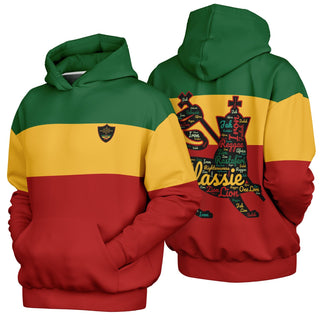
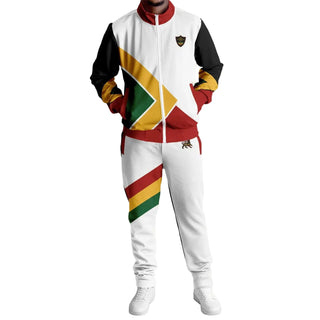
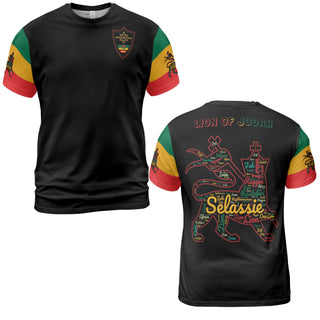
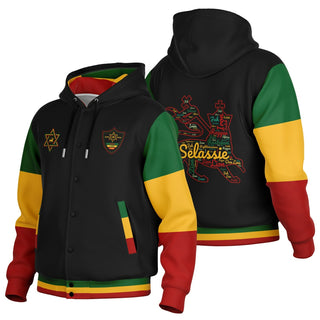
Rastafari Symbols & Their Meanings

Rastafari is one of the most visually recognizable cultures in the world — but behind every color, image, and emblem lies specific meaning. The Rastafari symbols you see on flags, clothing, and album covers each carry spiritual and historical significance that goes far deeper than decoration. Most people recognize them instantly without knowing what they stand for.
In this guide we break down the most important Rastafari symbols — the Lion of Judah, the red-gold-green colors, dreadlocks, and more — explaining what each one means and where it comes from.

The Most Important Rastafari Symbols
Rastafari symbols are the visual language of a spiritual movement that emerged in Jamaica in the 1930s. Each symbol connects to the movement's core beliefs: the divinity of Emperor Haile Selassie I, the spiritual importance of Africa and Ethiopia, resistance to oppression (called "Babylon"), and the natural way of life known as "livity." Here are the symbols that define Rastafari iconography.
Browse our Rasta clothes range.
The Lion of Judah

The Lion of Judah is arguably the most powerful Rastafari symbol. It represents Emperor Haile Selassie I of Ethiopia, whom Rastafari regard as the returned messiah, and connects to the biblical "Lion of the tribe of Judah." The crowned lion symbolizes strength, royalty, courage, and the divine lineage of Ethiopian emperors who traced their ancestry to King Solomon.
The rasta lion appears constantly across Rastafari culture — on flags, clothing, shoes, jewelry, and art. When you see a majestic lion rendered in red, gold, and green, you are looking at the central emblem of Rastafari faith and identity.
The Red, Gold, and Green Colors
The three core Rastafari colors each carry distinct meaning:
Red
Represents the blood of the martyrs who died in the struggle for African freedom and liberation.
Gold
Represents the wealth of Africa — both its mineral riches and its cultural and spiritual abundance — as well as the sunshine of the homeland.
Green
Represents the fertile land of Ethiopia and Africa, symbolizing nature, growth, and the promised land.
These colors derive from the Ethiopian flag and Marcus Garvey's Pan-African movement. Some Rastafari iconography adds black to represent the African people. The colors are so recognizable that they function as a symbol in their own right — instantly communicating Rastafari identity wherever they appear.
Dreadlocks (Locs)
Dreadlocks are perhaps the most personal Rastafari symbol. Grown by leaving the hair uncut and allowing it to naturally lock, dreadlocks represent the mane of the Lion of Judah, a covenant with the divine, and a rejection of conventional society's grooming standards ("Babylon"). The practice draws on the biblical Nazarite vow, in which followers pledged not to cut their hair.
For Rastafari, dreadlocks are a spiritual statement as much as a hairstyle — a visible commitment to natural living and African identity. The style has since spread far beyond the movement into global culture.
 Rasta HoodiesRoots-inspired fleece layersShop now →
 Rasta TracksuitsMatching two-piece Rasta setsShop now →
 Rasta ShoesRed gold and green culture-led sneakersShop now →
The Ethiopian Flag and Haile Selassie I
The Ethiopian flag and images of Emperor Haile Selassie I are central Rastafari symbols. Ethiopia represents Zion — the spiritual homeland and promised land of the African diaspora — and the only African nation never colonized by Europe. Haile Selassie I, crowned in 1930, is venerated as the living God or returned messiah in Rastafari belief. His image and the Ethiopian colors are sacred symbols throughout the movement.
The Conquering Lion and the Star of David
Rastafari iconography also incorporates the Star of David (reflecting the movement's identification with the Israelites of the Old Testament and the belief that Africans are among the true children of Israel) and the "Conquering Lion of Judah" specifically — a lion bearing a cross-topped staff and banner, drawn from the imperial seal of Ethiopia.
Marcus Garvey
While a person rather than a graphic symbol, Marcus Garvey holds symbolic status in Rastafari as a prophet. The Jamaican Pan-African leader's teachings about African pride, repatriation, and the prophecy of a coming African king laid the ideological foundation for Rastafari. His red, black, and green Pan-African flag directly influenced Rastafari color symbolism.
Wearing Rastafari Symbols
Rastafari symbols translate powerfully into fashion and art. The Lion of Judah, the red-gold-green colors, and Ethiopian imagery appear across Rasta clothing and shoes, from graphic tees to hoodies to footwear. Wearing these symbols connects the wearer to the culture's history and meaning — which is why understanding what each symbol represents matters. Browse Rasta shoes and apparel that carry authentic Rastafari symbolism in the traditional colors.
Related guide: Rasta Flag.
Frequently Asked Questions
What are the main Rastafari symbols?
The main Rastafari symbols are the Lion of Judah (representing Haile Selassie I and divine strength), the red-gold-green colors (blood of martyrs, African wealth, and the fertile homeland), dreadlocks (a spiritual covenant and rejection of "Babylon"), the Ethiopian flag, and images of Emperor Haile Selassie I. The Star of David and Marcus Garvey also hold symbolic significance.
What does the Lion of Judah symbolize in Rastafari?
The Lion of Judah represents Emperor Haile Selassie I, whom Rastafari regard as the returned messiah, and symbolizes strength, royalty, courage, and the divine lineage of Ethiopian emperors. It connects to the biblical "Lion of the tribe of Judah" and is the central emblem of Rastafari iconography.
What do the Rastafari colors mean?
Red represents the blood of martyrs who fought for African liberation, gold represents the wealth and sunshine of Africa, and green represents the fertile land of Ethiopia and Africa. The colors come from the Ethiopian flag and Marcus Garvey's Pan-African movement. Black is sometimes added to represent the African people.
Why do Rastafarians wear dreadlocks?
Rastafarians wear dreadlocks to represent the mane of the Lion of Judah, a spiritual covenant with the divine, and a rejection of conventional society ("Babylon"). The practice draws on the biblical Nazarite vow against cutting one's hair, and represents a commitment to natural living and African identity.
Why is Ethiopia important in Rastafari?
Ethiopia is central to Rastafari as Zion — the spiritual homeland of the African diaspora and the only African nation never colonized by Europe. Emperor Haile Selassie I of Ethiopia is venerated as the returned messiah, making the Ethiopian flag and his image sacred Rastafari symbols.
Where can I find clothing with Rastafari symbols?
Rebel One Mart offers Rasta clothing, shoes, and accessories featuring authentic Rastafari symbols including the Lion of Judah and the red-gold-green color scheme. Browse the full Rasta clothing and shoes collection for items carrying genuine Rastafari symbolism.