Rasta Flag: Meaning, Colors & History Explained

You've seen the colors everywhere — on hats, hoodies, shoes, flags waving at reggae concerts — but what do they actually mean? The rasta flag and its red, gold, and green color scheme carry centuries of history, spiritual meaning, and Pan-African symbolism that most people wearing the colors never learn.
In this guide we explain exactly what the rasta flag represents, where its colors come from, how it differs from the Jamaican and Ethiopian flags, and why the red-gold-green palette became one of the most recognizable cultural symbols on earth.

What Is the Rasta Flag?
The rasta flag is the visual emblem of the Rastafari movement, built around three core colors — red, gold (or yellow), and green — often featuring the Lion of Judah at its center. It is not a national flag of any country. Instead, it is a cultural and spiritual banner that represents Rastafari identity, African heritage, and the movement's connection to Ethiopia.
The flag draws directly from two sources: the flag of Ethiopia (the only African nation never colonized by a European power, and the spiritual homeland of Rastafari) and the Pan-African colors promoted by Jamaican political leader Marcus Garvey in the early 20th century. When you see the rasta flag, you are looking at a fusion of Ethiopian imperial symbolism and Pan-African liberation ideology.
Browse our Rasta apparel collection.
What Do the Rasta Flag Colors Mean?

Each color in the rasta flag carries specific, deeply rooted meaning:
Red
Red represents the blood of the martyrs who died in the struggle for African liberation and freedom from oppression. It honors the sacrifices made throughout the history of slavery, colonialism, and the fight for Black dignity. In Rastafari symbolism, red is the color of the church triumphant and the bloodline of the African people.
Gold (Yellow)
Gold represents the wealth of the African homeland — both the literal mineral riches of the continent and the spiritual and cultural wealth of African civilization. It also symbolizes the sunshine of Africa and the bright future that Rastafari envisions for the diaspora.
Green
Green represents the lush, fertile land of Ethiopia and Africa as a whole. It is the color of nature, growth, and the promised land. For Rastafari, green is a reminder of the vegetation and natural abundance of the African continent that the diaspora was separated from.
Black (in some versions)
Some rasta flags also include black, representing the African people themselves. When black is present, the four-color scheme aligns even more closely with Marcus Garvey's original Pan-African flag of red, black, and green.
Rasta Flag vs Jamaican Flag vs Ethiopian Flag
People often confuse these three flags because they share overlapping colors and Jamaican cultural roots. Here is how they differ:
The Rasta Flag
Red, gold, and green — often with the Lion of Judah. Represents the Rastafari spiritual movement, not a country. Rooted in Ethiopian and Pan-African symbolism.
The Jamaican Flag
Black, gold, and green in a diagonal cross (saltire) design. This is the official national flag of Jamaica, adopted at independence in 1962. It contains no red. The black represents the strength and creativity of the people, gold the sunshine and natural wealth, and green the lush vegetation.
The Ethiopian Flag
Red, gold, and green horizontal stripes — historically featuring the Lion of Judah, and today a central emblem. This is the direct visual ancestor of the rasta flag. Rastafari adopted the Ethiopian color scheme because of Ethiopia's spiritual significance and Emperor Haile Selassie I's central role in the faith.
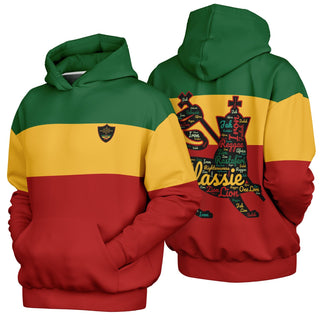
 Rasta HoodiesRoots-inspired fleece layersShop now →
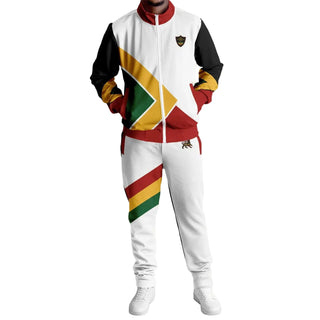
 Rasta TracksuitsMatching two-piece Rasta setsShop now →
 Rasta ShoesRed gold and green culture-led sneakersShop now →
The History of the Rasta Flag
The rasta flag's origins trace back to the convergence of two movements in the early 20th century. Marcus Garvey, the Jamaican-born founder of the Universal Negro Improvement Association (UNIA), promoted a red, black, and green flag in 1920 as a symbol of Black pride and African unity. Garvey's Pan-African philosophy laid the ideological foundation for Rastafari.
When the Rastafari movement emerged in Jamaica in the 1930s following the coronation of Emperor Haile Selassie I of Ethiopia, it merged Garvey's Pan-African colors with the Ethiopian flag's red-gold-green scheme and the Lion of Judah emblem. The result was the rasta flag as we know it today — a banner that ties together African liberation, Ethiopian sovereignty, and Rastafari spirituality.
Reggae music carried the flag and its colors to a global audience in the 1970s. Today the red-gold-green palette appears on clothing, accessories, and flags in every country on earth, recognized far beyond the boundaries of the Rastafari faith itself.
The Lion of Judah on the Rasta Flag
Many rasta flags feature the Lion of Judah at the center — a crowned lion that represents Emperor Haile Selassie I, whom Rastafari regard as the returned messiah. The lion symbolizes strength, royalty, and the lineage of Ethiopian emperors who traced their ancestry to King Solomon and the Queen of Sheba. The Lion of Judah is one of the most powerful symbols in Rastafari iconography, appearing on flags, clothing, and art across the movement.
Wearing the Rasta Flag Colors
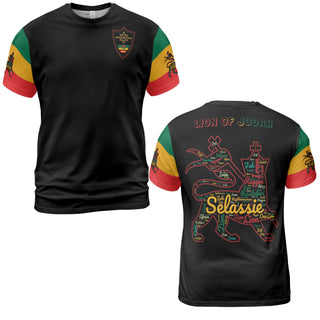
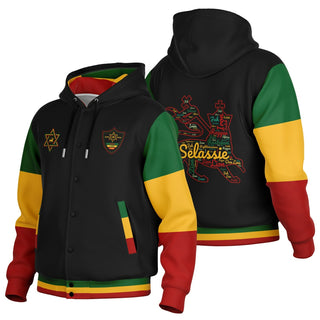
The red, gold, and green of the rasta flag translate naturally into fashion. From Rasta clothing and shoes to hats, hoodies, and tracksuits, the colors let wearers express cultural connection, celebrate reggae heritage, or simply enjoy one of the boldest color combinations in fashion.
When wearing the rasta colors, the same styling principle applies as with any bold palette: let the colors lead and keep the rest of the outfit clean. A pair of Rasta shoes or a red-gold-green hoodie anchors an outfit without needing every piece to match. Understanding what the colors mean — as you now do — turns wearing them into a genuine cultural statement rather than just a fashion choice.
Frequently Asked Questions
What do the rasta flag colors mean?
The rasta flag's three core colors each carry specific meaning: red represents the blood of martyrs who fought for African liberation, gold represents the wealth and sunshine of Africa, and green represents the fertile land of Ethiopia and Africa. Some versions include black to represent the African people, aligning with Marcus Garvey's Pan-African flag.
Is the rasta flag the same as the Jamaican flag?
No. The Jamaican flag is black, gold, and green in a diagonal cross design and is Jamaica's official national flag (adopted 1962). The rasta flag is red, gold, and green — often with the Lion of Judah — and represents the Rastafari spiritual movement, not a country. The key visual difference is that the rasta flag contains red while the Jamaican flag does not.
Why does the rasta flag have the same colors as Ethiopia?
The rasta flag adopted Ethiopia's red-gold-green color scheme because Ethiopia holds central spiritual significance in Rastafari. Emperor Haile Selassie I of Ethiopia is regarded as the returned messiah, and Ethiopia is seen as the spiritual homeland (Zion) of the African diaspora. Ethiopia was also the only African nation never colonized by Europe, making it a powerful symbol of African sovereignty.
What does the lion on the rasta flag mean?
The lion on the rasta flag is the Lion of Judah, which represents Emperor Haile Selassie I and the lineage of Ethiopian emperors. It symbolizes strength, royalty, and divine kingship. In Rastafari belief, the Lion of Judah connects to the biblical prophecy that Rastafari see fulfilled in Haile Selassie I.
Who created the rasta flag colors?
The colors trace to two sources: Marcus Garvey's red, black, and green Pan-African flag (1920) and the red-gold-green flag of Ethiopia. The Rastafari movement, which emerged in Jamaica in the 1930s, merged these into the rasta flag, combining Pan-African liberation symbolism with Ethiopian spiritual significance.
Where can I buy rasta flag colors clothing?
Rebel One Mart carries a full range of Rasta-colored clothing and accessories in the authentic red, gold, and green palette — including shoes, hoodies, tracksuits, and tees. Browse the complete Rasta clothing and shoes collection for items built around the rasta flag colors.