Jamaican Traditional Clothing: A Visual Guide

Jamaican traditional clothing tells the story of a nation shaped by African heritage, colonial history, Caribbean climate, and a cultural identity so distinct it has influenced fashion around the world. From the vibrant colors of Rastafari-inspired dress to the formal elegance of the quadrille costume, Jamaican clothing traditions reflect a people who have consistently turned history into art and identity into style. — part of the Rebel One Mart Jamaica collection Most people know the colors long before they know the history behind them.
In this guide we cover the full picture — the historical roots of traditional jamaican clothing, the cultural symbols embedded in Jamaican dress, and how those traditions translate into the wearable, everyday jamaican cultural clothing that defines Jamaican fashion today.

The Roots of Jamaican Traditional Clothing
Jamaican clothing traditions cannot be understood without their historical context. The island's garment culture was shaped by three major forces: West African traditions carried by enslaved people, European colonial influence from the British, and the Taino indigenous heritage that predated both.
African Heritage in Jamaican Dress
West African textile traditions — particularly the use of bold color, pattern, and wrapped garments — survived the transatlantic slave trade and formed the foundation of Jamaican folk dress. The headwrap (called a tie-head) remains one of the most recognizable symbols of African heritage in Jamaican culture, worn by women as a marker of identity, spiritual grounding, and cultural pride. The use of red, black, and green — the Pan-African colors that later became central to Rastafari symbolism — connects directly to this African heritage.
The Quadrille Costume

The quadrille costume is the closest Jamaica has to a formal national dress and is recognized as a symbol of jamaican traditional clothing on the world stage. For women, it features a white blouse, a madras plaid skirt in red, yellow, and blue, a matching headwrap, and a white petticoat. For men, the ensemble pairs a white shirt with a plaid cummerbund and sometimes a plaid sash. The costume is worn for the quadrille dance — a formal set dance with French and English origins that was adopted and transformed into a distinctly Jamaican cultural performance.
Colonial Influence and Adaptation
British colonial rule introduced formal European dress into Jamaican culture, particularly for official occasions and religious settings. Jamaican society adapted these styles to the tropical climate and local identity — lighter fabrics, brighter colors, and eventually a distinct Jamaican aesthetic that mixed European formality with Caribbean informality and African symbolism.
Rastafari Clothing — Cultural Identity as Dress
Rastafari is one of the most globally recognized cultural movements to originate in Jamaica, and its influence on jamaican clothing style is profound. Rastafari dress is built around a philosophy of natural living, African identity, and spiritual symbolism expressed through color, fabric choice, and style.
The Meaning of Rasta Colors
Red, gold, green, and black are the defining colors of Rastafari dress, each carrying specific meaning. Red represents the blood of martyrs and the Jamaican diaspora. Gold represents the wealth of Africa and the sun. Green represents the land of Ethiopia and natural abundance. Black represents the African people. Together these colors appear in Rasta clothing — hoodies, tracksuits, shirts, shoes, and hats — as a continuous declaration of cultural identity.
These colors are not decorative choices. They are a language. Anyone wearing Rasta-colored clothing in Jamaica and across the Caribbean diaspora is making a statement about heritage, spiritual belief, and cultural pride that goes far deeper than fashion.
Dreadlocks and the Tam
Dreadlocks — natural locks of uncut hair — are the most recognizable symbol of Rastafari spiritual practice and are closely connected to Rastafari dress. The tam (also called a Rastacap) is the large, knit or crocheted hat worn to contain and protect dreadlocks. Tams are typically made in red, gold, green, and black stripes and have become one of the most recognizable items of Jamaican cultural clothing internationally.
Rasta Clothing Today
Rastafari-inspired clothing has moved far beyond its spiritual origins into mainstream Caribbean and diaspora fashion. Rasta clothing for men and women — tracksuits, hoodies, graphic tees, shoes, and jackets in the signature red, gold, and green palette — represents one of the most wearable and globally recognized expressions of Jamaican cultural identity available in contemporary fashion.
 Jamaica HoodiesIsland-pride fleece layersShop now →
 Jamaica TracksuitsMatching two-piece Jamaica setsShop now →
 Jamaica ShoesGreen gold and black sneakersShop now →
Jamaican National Colors and Their Meaning in Clothing
The Jamaican flag — black, gold, and green — is one of the most distinctively colored national flags in the world, and its colors carry deep meaning in jamaican cultural clothing.
- Black represents the strength and creativity of the Jamaican people
- Gold represents the natural wealth and beauty of sunlight
- Green represents hope and agricultural richness
These colors appear throughout Jamaican dress — on sports uniforms, cultural costumes, everyday streetwear, and the Jamaica-inspired footwear and clothing that carries national pride into wearable form. Jamaica clothing built around these national colors connects the wearer to this broader color symbolism, whether they are Jamaican by birth, heritage, or cultural connection.
Modern Jamaican Clothing Style
Modern jamaican clothing blends cultural heritage with contemporary Caribbean fashion. It is relaxed without being careless, bold without being loud, and consistently rooted in the island's color traditions even when the silhouettes are entirely modern.
Tracksuits and Matching Sets
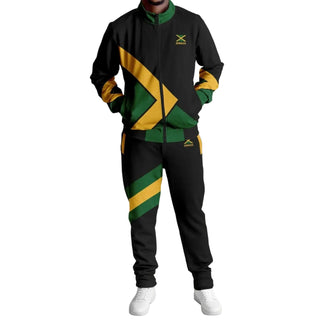
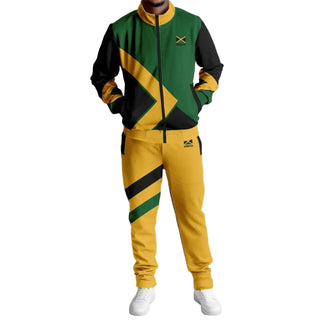
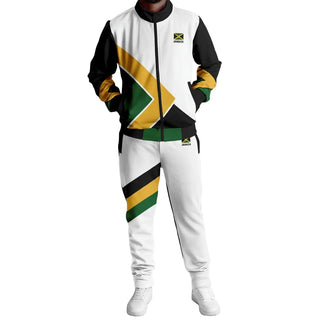
The tracksuit has become one of the most popular forms of jamaican clothing for everyday wear, travel, and casual style. Matching two-piece sets in Jamaica national colors — green, gold, and black — give wearers a complete coordinated look that carries cultural identity without requiring formal dress. Jamaica tracksuits for men and women are among the most practical expressions of Jamaican pride in contemporary fashion.
Graphic Tees and Casual Layers
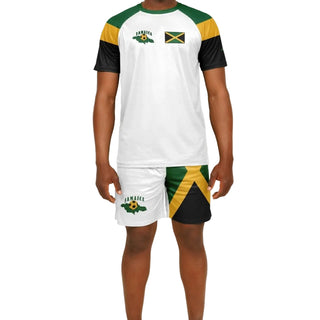
Graphic tees featuring Jamaican imagery — the flag, cultural icons, national symbols, and reggae-inspired designs — are a staple of Jamaican casual dress. They work as standalone pieces and as layers under hoodies, jackets, and tracksuits. Jamaica graphic t-shirts represent the accessible, everyday entry point into Jamaican cultural fashion.
Jamaica Shoes and Footwear
Footwear in Jamaica national colors — green, gold, black, and white — completes the Jamaican cultural wardrobe. Jamaica shoes and sneakers carry the national color story from the ground up, completing looks that draw from Jamaican heritage whether worn casually or as part of a more intentional cultural outfit.
Jamaican Clothing for Special Occasions
Beyond everyday wear, traditional jamaican clothing plays an important role in celebration, ceremony, and cultural events.
Independence Day and National Celebrations
Jamaica's Independence Day (August 6) and other national celebrations see widespread wearing of Jamaica national colors — in clothing, accessories, and footwear. Jamaican flag-inspired outfits, Rasta-colored dress, and the quadrille costume all appear at cultural events as expressions of national pride.
Reggae and Music Festivals
Jamaica's global cultural export — reggae music — has generated its own fashion language. Reggae festivals worldwide see audiences dressed in Rasta colors, Jamaica flag designs, and cultural clothing that bridges Jamaican heritage with international streetwear. Rasta hoodies, tracksuits, and flag-inspired shoes are standard festival wear for anyone celebrating Jamaican music culture.
Frequently Asked Questions
What is traditional Jamaican clothing?
Traditional Jamaican clothing refers to garments with deep roots in Jamaican cultural history — primarily the quadrille costume (a madras plaid skirt and white blouse for women, plaid cummerbund for men), Rastafari dress in red, gold, green, and black, and African-influenced garments like the tie-head headwrap. In modern usage, traditional Jamaican clothing also includes contemporary styles built around Jamaica's national colors — black, gold, and green — worn as everyday expressions of Jamaican cultural identity.
What colors are in Jamaican traditional clothing?
Jamaican traditional clothing draws from two main color sets. The national flag colors — black, gold, and green — appear in formal and everyday Jamaican dress. The Rastafari colors — red, gold, green, and black — are equally central to Jamaican cultural clothing and carry specific spiritual and Pan-African meaning. Both color sets appear across Jamaican clothing traditions, from the quadrille costume to modern tracksuits, hoodies, and footwear.
What is Jamaican cultural clothing?
Jamaican cultural clothing is any garment that expresses Jamaican national identity, heritage, or cultural symbolism through color, design, or imagery. This includes Rasta-colored clothing in red, gold, and green; Jamaica flag-inspired pieces in black, gold, and white; traditional quadrille costumes; and modern everyday wear like tracksuits, hoodies, graphic tees, and shoes built around Jamaica's national color palette.
What is Rastafari clothing?
Rastafari clothing is dress connected to the Rastafari spiritual movement that originated in Jamaica in the 1930s. It is defined by the colors red, gold, green, and black — each carrying specific cultural and spiritual meaning — and by natural fabrics, modest silhouettes, and an emphasis on African identity. Rastafari dress includes hoodies, tracksuits, tams (knit hats), and everyday clothing in the signature Rasta color palette.
What is a Jamaican tam hat?
A Jamaican tam (also called a Rastacap or tam hat) is a large, knit or crocheted hat traditionally worn to contain and protect dreadlocks. Tams are typically made in red, gold, green, and black stripes — the Rastafari colors — and have become one of the most globally recognized symbols of Jamaican cultural identity. They are worn by Rastafari adherents as a spiritual garment and by people worldwide as a cultural fashion statement.
Where can I buy Jamaican traditional clothing?
Modern Jamaican cultural clothing — tracksuits, hoodies, graphic tees, shoes, and jackets in Jamaica national colors and Rasta-inspired designs — is available at Rebel One Mart's Jamaica collection. The collection brings together contemporary Jamaican fashion for men and women in authentic island color palettes and culturally connected designs.