Antiguan Culture: Carnival, Music, Food & Flag Pride

Antiguan culture is sun, soca, and the spirit of emancipation — a proud Antiguan and Barbudan heritage heard in the steelpan and benna of Carnival, tasted in fungee and pepperpot, and worn on the rising-sun flag. Wondering what Antigua's carnival actually commemorates? It is not what most visitors assume.
In this guide we cover what makes Antiguan culture so distinctive: the meaning of the flag's rising sun and colors, the island's Carnival and music, the national dish, and how Antiguans rep their pride.

The Antigua and Barbuda Flag and What It Means
The Antigua and Barbuda flag has a red field with a central inverted triangle of black, blue, and white bands and a golden rising sun.
- The rising sun symbolizes the dawning of a new era
- Black represents the people's African ancestry
- Blue stands for hope
- Red for the energy and life of the people
- White for the nation's famous sandy beaches
The V-shape stands for victory. Designed by Sir Reginald Samuel, it was adopted in 1967.
Browse our national flag shoes range.
Antigua Carnival & Music

Antigua Carnival is the island's greatest celebration — a roughly two-week festival from late July into early August marking emancipation from slavery, packed with soca, calypso, steelpan, pageants, and the pre-dawn revelry of J'ouvert. The island's traditional folk music, benna, adds a distinctly Antiguan flavor. See the dates on our Caribbean music festival calendar.
Antiguan Food: Fungee and Pepperpot
Antiguan food centers on the national dish, fungee and pepperpot. Fungee is a cornmeal-and-okra dish similar to polenta, served with pepperpot — a hearty stew of meat, vegetables, and greens. Together they are the soul of Antiguan home cooking, served alongside saltfish, ducana, and fresh local seafood.
Antiguan Culture in Fashion & Flag Pride
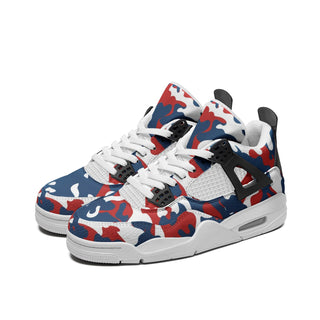
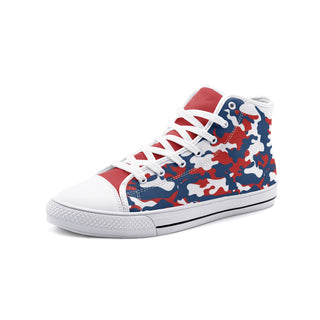
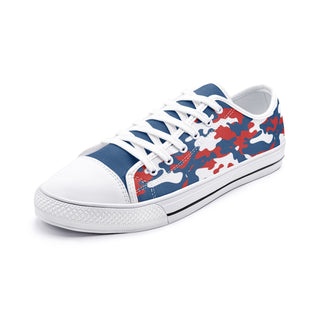
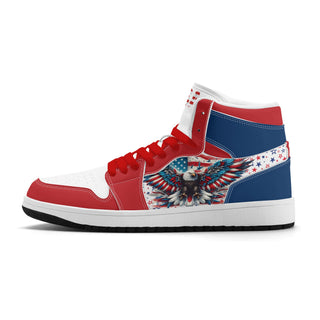
Antiguans rep their flag with pride, on the islands and across the diaspora. Antigua and Barbuda flag shoes carry the national colors in a clean mid-top sneaker — perfect for Carnival, Independence Day, or repping the islands anywhere. Browse the full country flag shoes collection to wear your Antiguan pride.
Related guide: Grenadian Culture.
Frequently Asked Questions
What is Antiguan culture known for?
Antiguan and Barbudan culture is known for its Carnival (a celebration of emancipation), soca, calypso, and steelpan music, the traditional folk genre benna, the national dish fungee and pepperpot, and its 365 beaches. It blends African and British heritage.
What do the colors of the Antigua and Barbuda flag mean?
The rising sun symbolizes the dawn of a new era, black represents African ancestry, blue stands for hope, red for the energy and life of the people, and white for the sandy beaches. The V-shape stands for victory. The flag was adopted in 1967.
What is the national dish of Antigua and Barbuda?
The national dish is fungee and pepperpot — fungee is a cornmeal-and-okra dish similar to polenta, served with pepperpot, a hearty stew of meat, vegetables, and greens. It is a staple of Antiguan home cooking.
When is Antigua Carnival?
Antigua Carnival runs from late July into early August, ending on Carnival Tuesday. The roughly two-week festival celebrates emancipation with soca, calypso, steelpan, pageants, costumed parades, and the pre-dawn J'ouvert.
How can I show my Antiguan pride?
Rep the flag's colors with national-color apparel and Antigua and Barbuda flag shoes, especially around Carnival and Independence Day. Browse the full country flag shoes collection to wear your Antiguan pride.